
What Does Craving Alcohol Actually Feel Like? Understanding the Science Behind Urges
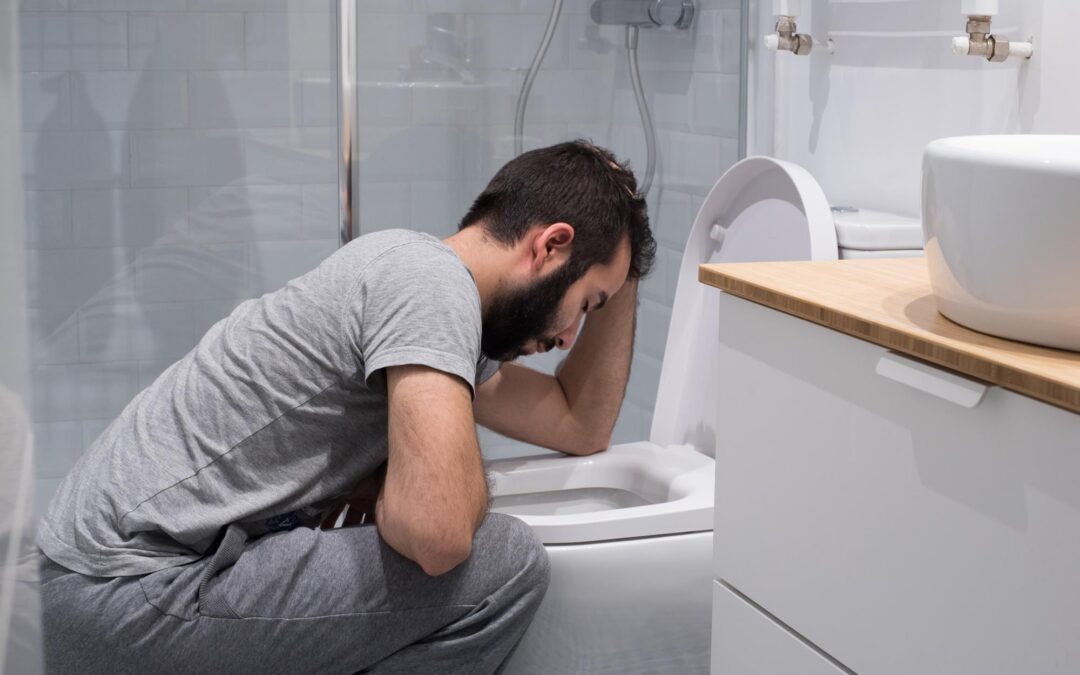
It can happen out of nowhere. You’re driving home after a normal day, folding laundry, watching a show with your family, or walking past a familiar restaurant, and suddenly the urge to drink hits hard. Sometimes it feels way bigger than the moment you’re in, which can be scary and confusing.
Experiencing a craving alcohol can feel like a sudden urge that disrupts your day. Many people find themselves caught off guard by the intensity of this feeling and wonder how to manage it effectively.
Understanding what drives a craving alcohol is essential for recovery. It’s important to recognize that these cravings are a natural response, signaling your body’s desire for a substance that has impacted your life.
When facing a craving alcohol, it can help to engage in alternative activities that redirect your focus and energy.
A craving is a powerful (but time-limited) drive to drink. It’s not a character flaw. It’s not proof you “don’t want recovery enough.” It’s a real mind and body experience that can show up even when you’re doing a lot of things right.
For many people, cravings come with a push-pull feeling. Part of you wants relief, comfort, a break, or a familiar “off switch.” Another part of you wants to stay in control, protect your progress, and not deal with the fallout later.
Craving alcohol can manifest in various ways, and being aware of these signs can help you address them proactively.
Recognizing a craving alcohol’s presence is crucial for effectively managing your response to it.
Understanding how craving alcohol affects individuals differently can provide valuable insights into personal recovery journeys.
In this post, we’ll walk through what alcohol cravings can feel like, why they happen, what triggers them, and what you can do next, both in the moment and long term.
What does craving alcohol feel like? Common signs in the body, mind, and emotions
Cravings are whole-body experiences. They can look different from person to person, and they can range from a mild pull to an overwhelming, “I can’t think about anything else” feeling. You might notice physical sensations, looping thoughts, emotional discomfort, or behavior changes that start building before you even realize it.
Understanding these cravings is crucial for managing them effectively. It’s important to remember that these feelings are temporary and can be managed with the right strategies. For instance, if you’re trying to navigate detoxing from alcohol at home, being aware of these cravings can help you prepare for them better.
Moreover, it’s essential to recognize that alcohol cravings aren’t just an adult issue; they can also affect teenagers. Therefore, understanding how to [prevent teen substance abuse](https://advancedaddictioncenter.com/alcohol-addiction/preventing-teen-substance-abuse/) is equally important.
Individuals often find themselves questioning why a craving alcohol is so compelling, even during moments of clarity.
Physical sensations you might notice
Cravings often show up in the body first, especially if alcohol has been a fast way to change how you feel.
You might notice:
Eventually, acknowledging a craving alcohol as a signal rather than a command can empower you to make healthier choices.
Recognizing that craving alcohol is a universal issue can help reduce the stigma associated with it.
- Tightness in your chest or stomach
- Restless energy, jitters, shakiness, or feeling “keyed up”
- Dry mouth, salivation, nausea, headaches, or fatigue
- A racing heart, sweating, flushing, or difficulty relaxing
- Sleep disruption, especially cravings that spike at night or when you’re trying to wind down
Over time, the body can learn to anticipate alcohol. If drinking has been part of how you cope, your system may start pushing you toward it automatically when stress, discomfort, or certain cues show up.

Thought patterns that show up during a craving
Cravings can change your thinking in a very specific way. It’s not that you “forget” your reasons for cutting back or quitting. It’s that your brain gets narrow and urgent.
Common thought patterns include:
- Intrusive thoughts where alcohol pops into your mind repeatedly
- Narrowed focus that makes it hard to concentrate on work, family, or conversation
- Bargaining thoughts like “Just one,” “I’ll start tomorrow,” or “I deserve it”
- Minimizing consequences and romanticizing the first drink
- All-or-nothing thinking after a slip, such as “I ruined it, so why stop?”
If you’ve had that mental back-and-forth, you’re not alone. A craving can be loud, even when your values are clear.
Emotional cues (the feelings underneath the urge)
A lot of cravings aren’t really about alcohol. They’re about what alcohol has been helping you escape, manage, or numb.
You might feel:
For many, a craving alcohol often stems from deeper emotional needs that are not being met.
- Anxiety, irritability, sadness, loneliness, boredom, or anger
- A sense of emptiness, restlessness, or feeling “off”
- A sudden urgency for comfort that feels hard to explain
It can help to think of cravings as emotional alarms. They’re often a signal that you need something, like support, rest, connection, food, a coping skill, or a way to calm your nervous system. They’re not proof you’re weak.
Behavioral signs that a craving is building
A craving alcohol can often create a sense of urgency that feels overwhelming but is manageable with practice.
Understanding how craving alcohol impacts your emotional state is essential for developing coping strategies.
Cravings can also show up in what you do, sometimes before you fully notice what you feel.
Recognizing behavioral signs associated with a craving alcohol can help you take proactive steps to address them.
You might catch yourself:
When a craving alcohol arises, it’s crucial to be mindful of your actions and their implications for your recovery.
- Planning or “just checking” alcohol availability (routes home, fridge scanning, delivery apps)
- Isolating, canceling plans, or picking fights to justify drinking
- Sliding into rituals tied to drinking, like a certain chair, music, show, or time of day
- Feeling more impulsive, reactive, or willing to take risks
These are important signals because they give you a chance to interrupt the pattern early.
Craving vs. withdrawal: how to tell the difference
Cravings are urges to drink and they can happen whether or not you’re in physical withdrawal. Withdrawal, however, is different. It’s a set of physical and neurological symptoms that can happen when you reduce or stop alcohol after heavy or regular use. Alcohol withdrawal can be dangerous so it’s worth taking seriously.
Symptoms that may suggest withdrawal include:
- Tremors or shaking
- Sweating
- Nausea or vomiting
- Agitation or severe anxiety
- Fast heart rate, high blood pressure
- Hallucinations, confusion, or seizures
Understanding the difference between a craving alcohol and withdrawal symptoms can help guide your response.
A craving alcohol might emerge even when you’re not experiencing withdrawal symptoms, which can be confusing.
If you think you may be experiencing withdrawal or if symptoms feel severe seek urgent medical care or call for medical guidance right away. Safety comes first. You don’t have to “tough it out” to prove anything.
The hidden risks of social drinking
Understanding the physical signs accompanying a craving alcohol can provide insight into your body’s response.
It’s important to recognize that even social drinking can lead down a path towards alcoholism for some individuals. This is a risk that should not be taken lightly.
Nightmares after drinking: an unexpected consequence
Another aspect to consider is the potential for nightmares after drinking. This is an often overlooked consequence of alcohol consumption that can significantly impact one’s mental health and overall well-being.
Learning how to manage a craving alcohol effectively is a crucial skill in the recovery process.
Navigating the challenges of sobriety
Once you’ve made the decision to quit drinking it’s crucial to understand how to effectively navigate the challenges of sobriety. This journey can be tough but with the right strategies and support it is entirely achievable.
The impact of substance abuse on family
Lastly it’s essential to acknowledge the broader implications of substance abuse. The [impact of substance abuse on the family](https://advancedaddictioncenter.com/alcohol-addiction/impact-of-substance
Why cravings happen: what’s going on in the brain
Cravings make more sense when you understand what alcohol does in the brain.
In simple terms, alcohol affects reward, stress, and habit circuits. Over time, your brain learns: alcohol equals fast relief. Even if alcohol causes problems later, the brain tends to prioritize what works quickly in the moment.
A few key pieces are usually involved:
- Dopamine and learning: the brain links cues to drinking (people, places, time of day, emotions). Those cues can trigger desire automatically.
- Stress system activation: cravings often spike when you’re overwhelmed because alcohol used to turn down stress fast.
- Tolerance and rebound: with repeated use, the brain and body can feel worse without alcohol, which can intensify urges.
The hopeful part is that this is treatable. With time, support, and practice, the brain can rewire. Cravings usually become less frequent and less intense.
Common triggers that make you crave alcohol (and how to spot yours)
Cravings can feel random, but they usually follow a pattern. A simple way to start noticing yours is a quick check-in:
Where am I? Who am I with? What time is it? What am I feeling? What did I just think?
External triggers (people, places, routines)
External triggers are the people, places, and routines your brain has paired with drinking.
Common ones include:
- Bars, restaurants, social events, work happy hours
- Driving past a liquor store, being home alone, payday, weekends
- “Reward” routines like finishing work, cooking dinner, watching sports
- Seasonal triggers like holidays and summer gatherings
Understanding these triggers is crucial for managing cravings. For instance, during Sober Thanksgiving, recognizing these patterns can help you navigate social situations without succumbing to the urge to drink.
However, it’s important to note that abrupt cessation of alcohol consumption can have serious repercussions. The perils of abruptly stopping alcohol should not be underestimated. Instead of going for a cold turkey approach which could lead to severe withdrawal symptoms (stop alcohol cold turkey), it’s recommended to seek professional help or consider joining support groups such as Alcoholics Anonymous for guidance through this challenging journey.
If binge drinking has been an issue in your life (alcohol binge drinking), recognizing your triggers is vital for recovery. With patience and commitment to change, it’s possible to overcome these challenges and lead a healthier life.
Internal triggers (emotions, stress, and mental health)
Internal triggers are what’s happening inside you.
These often include:
- Stress, anxiety, depression, trauma reminders, low self-esteem
- Boredom, loneliness, grief, anger, shame
If mental health symptoms are untreated or poorly supported, cravings often hit harder. That’s why dual diagnosis care can be such an important piece for many people.
HALT: the simple checklist that catches many cravings early
HALT stands for Hungry, Angry, Lonely, Tired. These states can disguise themselves as cravings.
Quick fixes that can help fast:
- Hungry: eat something with protein and carbs
- Angry: take a short walk, write out what you’re feeling, cool down your body
- Lonely: text or call someone safe, go somewhere you’re not alone
- Tired: drink water, take a 20-minute rest, simplify your evening
How long do alcohol cravings last? What a typical “craving wave” looks like
Many cravings move like a wave. They rise, peak, and fall, often within 10 to 30 minutes, though sometimes longer.
Early recovery can bring more frequent or intense waves, especially when your routine is changing and your body is recalibrating. The good news is that cravings typically decrease over time with treatment, support, and repetition of coping skills.
You don’t have to “win forever.” You only have to get through the current wave safely.
What to do in the moment: practical ways to get through a craving
Think of these as a menu. Pick two or three strategies that feel doable and repeat them. Cravings are real, but they’re not commands.
Reset your body first (fast interventions)
- Drink water and eat something, ideally with protein and carbs to reduce blood sugar swings
- Change your physical state: cold water on your face, a quick shower, or a short brisk walk
- Try 4-6 breathing (inhale 4, exhale 6) or box breathing for 2 to 3 minutes
- Reduce stimulation: step outside, dim lights, silence notifications, change rooms
Interrupt the thought loop (mental strategies that work)
- Name it: “This is a craving, not a decision.”
- Use delay: set a 15-minute timer, then reassess
- Play the tape forward: picture the next 12 to 24 hours if you drink versus if you don’t
- Try urge surfing: notice the sensations without acting and watch them rise and fall
- Replace bargaining with a script you repeat, such as: “Not today. I’ll revisit this tomorrow.” or “A craving is uncomfortable, not dangerous.”
Swap the reward (healthy alternatives that actually satisfy)
- Build a non-alcohol ritual: tea, sparkling water, mocktails, a dessert, or a comfort meal
- Use hands-on activities: cooking, a cleaning sprint, art, music, or puzzles
- Relax your body: yoga, meditation, or a mindfulness body scan
- Choose connection: call or text someone supportive, attend a group, and avoid isolating
Long-term ways to reduce cravings (not just “willpower”)
In the long run, the goal isn’t to fight cravings harder. It’s to build a system that makes cravings less frequent, less intense, and less disruptive. This is where structured support and evidence-based treatment really matter.
Therapy that targets cravings and relapse patterns
- CBT (Cognitive Behavioral Therapy): identify triggers and thinking traps, and build practical coping plans
- Group therapy: practice skills in real time, reduce shame, build accountability
- Family therapy: work on communication patterns, conflict cycles, and enabling dynamics when appropriate. This family dynamics recovery can be crucial for long-term success.
- Relapse prevention education: learn warning signs and create plans for high-risk situations
Dual diagnosis support when mental health fuels the urge
If anxiety, depression, or PTSD is part of the picture, cravings often feel sharper and more urgent. Treating substance use and mental health together can lower relapse risk and help you feel more stable day to day. An integrated plan is often more effective than trying to tackle each issue separately.
Lifestyle supports that make cravings less frequent
- Protect sleep and build a simple nighttime routine
- Focus on nutrition, movement, and hydration
- Add structure during vulnerable hours, like after work or late night
- Build sober rewards: hobbies, social plans, recovery milestones
- Create an aftercare plan with support groups, check-ins, and ongoing therapy. Incorporating sober living strategies into your aftercare plan can significantly aid in maintaining sobriety.
When cravings are a sign you need more support
Cravings are common, but sometimes they’re a sign that your current plan needs strengthening.
It may be time to reach out if:
- Cravings feel constant or unmanageable
- You’re hiding drinking or downplaying how much you’re using
- You drink more than you planned, or you can’t stop once you start
- You’re using alcohol to manage panic or sleep
- You’re worried about withdrawal
Asking for help early is a form of self-respect. Treatment is not “starting over.” It’s getting a stronger plan before things get worse. If you’re considering reaching out for professional help, home-based alcohol use disorder treatment could be an effective option.
How we help at Advanced Addiction Center in Medford, MA
At Advanced Addiction Center, we offer compassionate, judgment-free care built around your real life, not a one-size-fits-all approach. We work with you to understand what your cravings feel like, what triggers them, and what supports actually help you follow through when it matters most.
Our programs are designed to support cravings and relapse prevention, including:
- Outpatient treatment with flexible scheduling, individual therapy, and group therapy
- Intensive Outpatient Program (IOP) with structured support, coping skills, and relapse prevention education
- Dual diagnosis treatment for substance use and co-occurring mental health concerns
- Day program options that include individual and group therapy, psychoeducation, family involvement when appropriate, crisis support, and aftercare planning
- Evening program options for people who need support while continuing to live at home and manage work or family responsibilities
We also offer holistic supports like yoga, meditation, mindfulness, and art, which many clients find helpful for stress, emotional regulation, and riding out craving waves.
Understanding Cross-Addiction
It’s important to note that addiction can manifest in various forms. For instance, understanding cross-addiction can be crucial in our recovery journey as it highlights how one addiction can lead to another if not properly addressed.
Support for College Students
We recognize that substance abuse in college is a growing concern. Our tailored programs can help students navigate these challenges effectively.
High-Functioning Alcoholism
Moreover, if you or someone you know is dealing with high-functioning alcoholism, our specialized treatment plans can provide the necessary support.
Non-Alcoholic Beer: A Double-Edged Sword
Lastly, it’s worth mentioning that while non-alcoholic beer may seem like a safe alternative, it can sometimes pose challenges in the recovery process.
Next step: reach out today (you don’t have to white-knuckle cravings)
Cravings can feel overwhelming, but they can fade and become manageable with the right support and a plan that fits your needs. If you’re tired of fighting this alone, we’re here.
Call Advanced Addiction Center in Medford, Massachusetts at (781) 560-6067 to talk confidentially about our outpatient, IOP, dual diagnosis, day program, or evening program options. You can also ask about insurance and payment options and schedule an assessment so you can start building a steady recovery plan this week.
Therapies focused on addressing craving alcohol can help you develop effective coping strategies.
Support systems can be instrumental in helping you navigate the challenges of craving alcohol.
Understanding how craving alcohol relates to mental health is vital in creating a comprehensive recovery plan.
Many people find that maintaining a balanced lifestyle helps reduce the frequency of craving alcohol.
Craving alcohol is a complex experience, but support and resources are available to guide you through.
If you’re facing a craving alcohol, reaching out for help can set you on a path toward recovery.