
Is Holiday Depression Making Me an Alcoholic? A Guide to Help
Understanding Holiday Depression
The holiday season doesn’t feel joyful for everyone. While advertisements and social media paint pictures of perfect gatherings and endless cheer, many people experience sadness, loneliness, stress, and anxiety during this time of year. These feelings are more common than you might think.
Holiday blues can show up in different ways. You might feel:
- A persistent sense of sadness or emptiness
- Increased irritability or mood swings
- Difficulty sleeping or sleeping too much
- Loss of interest in activities you usually enjoy
- Feelings of isolation, even when surrounded by others
Several factors contribute to these emotional struggles:
- Social pressures to attend gatherings, buy gifts, and maintain a cheerful facade can feel overwhelming.
- Financial concerns about holiday spending create real stress.
- For those who’ve lost loved ones, the holidays amplify grief and absence.
- Family dynamics—whether dealing with conflict, dysfunction, or distance—add another layer of emotional complexity.
It’s important to recognize the difference between temporary holiday blues and clinical depression. Holiday blues typically lift once the season ends and life returns to normal rhythms. Clinical depression persists beyond the holidays, interfering with daily functioning and requiring professional support. If your low mood continues for weeks, affects your ability to work or maintain relationships, or includes thoughts of self-harm, you’re likely dealing with something beyond seasonal stress.
Why Alcohol Consumption Increases During the Holidays
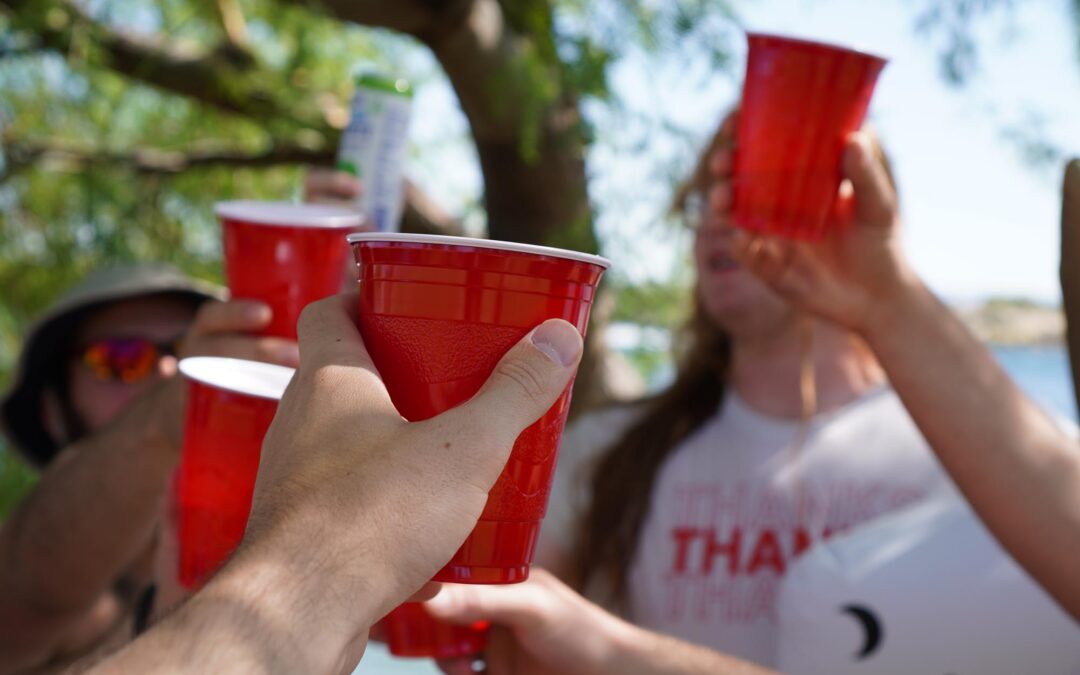
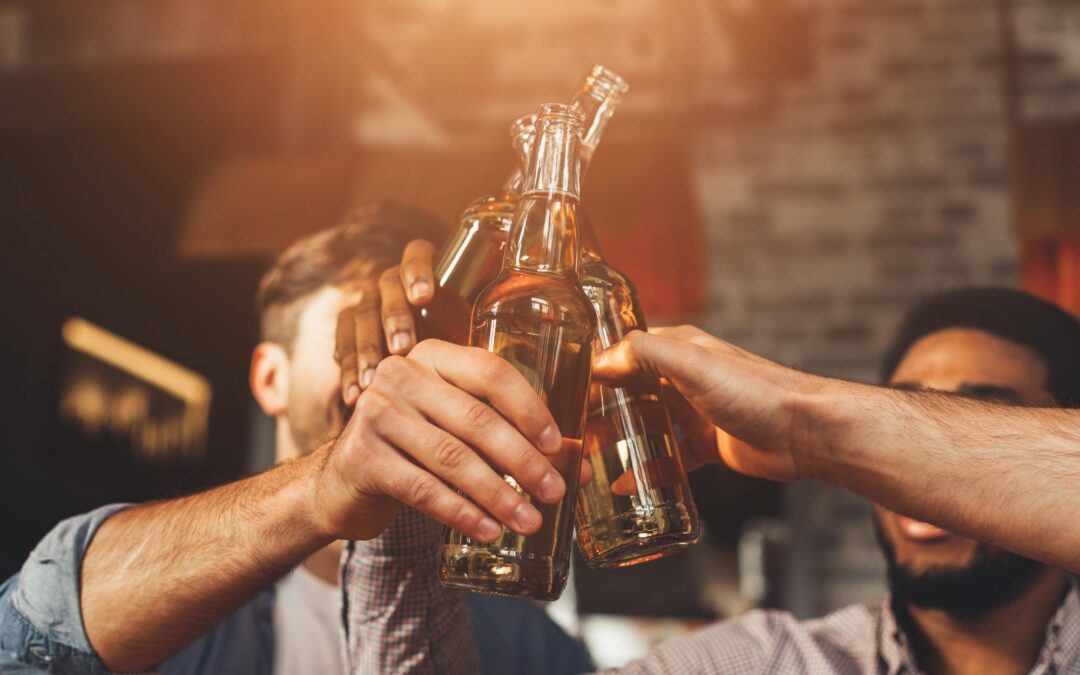
The festive drinking culture woven into holiday celebrations creates an environment where alcohol consumption increase feels almost inevitable. From office parties to family dinners, drinks flow freely as part of the seasonal ritual. Toast after toast, celebration after celebration—alcohol becomes synonymous with holiday cheer, making it challenging to imagine festivities without it.
This cultural expectation affects certain groups more intensely:
- Teenagers and young adults face peer pressure at holiday gatherings, where drinking becomes a measure of social acceptance.
- People with previous struggles with alcoholism find themselves navigating a minefield of triggers, as the season’s emphasis on drinking can awaken dormant cravings.
- For those who have recently undergone rehab, maintaining sobriety during this time can be particularly challenging but is not impossible. Adopting strategies for sober living can help in managing these situations effectively.
- Those managing mental health disorders may feel particularly vulnerable, as the combination of holiday stress and readily available alcohol creates a perfect storm for relapse.
The relationship between holiday stress and drinking runs deeper than social pressure alone. When financial worries mount from gift-buying expectations, when grief resurfaces at family gatherings, when anxiety spikes from hosting obligations—alcohol offers what feels like instant relief. That first drink promises to quiet the racing thoughts, to smooth over awkward family dynamics, to make the overwhelming feel manageable. The temporary escape becomes increasingly appealing as holiday demands pile up, creating a pattern where reaching for a drink becomes the automatic response to uncomfortable emotions.
The Dangerous Cycle: Holiday Depression and Alcohol Use
When you’re feeling down during the holidays, reaching for a drink might seem like an instant solution. Alcohol acts as a depressant that initially creates feelings of relaxation and temporary euphoria, making those heavy emotions feel lighter for a moment. This is why alcohol as coping mechanism becomes so appealing when holiday depression hits hard.
The relief doesn’t last. Alcohol fundamentally alters your brain chemistry alteration, disrupting neurotransmitters like serotonin and dopamine that regulate mood. What starts as temporary comfort quickly transforms into deeper emotional distress. Your brain begins requiring more alcohol to achieve the same numbing effect, while simultaneously producing less of the natural chemicals that help you feel balanced and content.
This creates a self-perpetuating trap:
- You drink to escape depressive feelings
- Alcohol disrupts your brain’s natural mood regulation
- Depression and anxiety intensify as the effects wear off
- You drink more to cope with the worsening symptoms
- The cycle repeats with increasing intensity
Holiday Depression Making You Drink A Lot? What to Do starts with understanding these serious risks. Binge drinking during this vulnerable time increases your chances of accidents, injuries, and dangerous interactions with others. Your judgment becomes impaired precisely when you need it most. The pattern of heavy drinking can rapidly develop into physical and psychological dependence, transforming what began as occasional holiday stress relief into a year-round struggle with alcohol use disorder.
Signs Your Holiday Drinking May Be Becoming Problematic
Recognizing warning signs of alcoholism early can make all the difference between a temporary coping strategy and a developing dependency. The shift from casual holiday drinking to problematic use often happens gradually, making it easy to miss the red flags.
Behavioral Changes
Behavioral changes tend to appear first. You might notice yourself reaching for a drink earlier in the day, consuming more than you planned at gatherings, or feeling unable to enjoy holiday events without alcohol. Using drinks specifically to numb uncomfortable emotions—like loneliness, anxiety, or sadness—signals that alcohol has become your primary coping tool rather than an occasional indulgence.
It’s essential to seek substance abuse awareness and education during such times. This knowledge can help you understand various substances, their effects, and prevention strategies.
Physical and Psychological Signs
Physical and psychological signs provide additional clues:
- Needing more alcohol to feel the same effects (tolerance)
- Experiencing shakiness, irritability, or anxiety when you haven’t had a drink
- Difficulty sleeping without alcohol
- Neglecting responsibilities or relationships due to drinking
- Feeling guilt or shame about your consumption but continuing anyway
- Spending significant time thinking about when you’ll have your next drink
If you find yourself identifying with these signs, remember that the holidays don’t have to define your relationship with alcohol. Catching these patterns now—before they solidify into long-term habits—gives you the opportunity to make changes while they’re still manageable. Many people find that what starts as seasonal stress drinking can extend beyond the holidays if left unaddressed.
For those who might be living with a high-functioning alcoholic, understanding the signs and seeking support is crucial. Taking that first step toward overcoming addiction can be transformative. If you need assistance, don’t hesitate to contact Advanced Addiction Center in Massachusetts, where professionals are ready to help you on your journey towards recovery.
Healthy Strategies to Manage Holiday Depression Without Alcohol
Taking care of your emotional well-being during the holidays starts with giving yourself permission to feel whatever comes up. Sadness, frustration, or loneliness are valid responses to this complex season. Rather than pushing these emotions away or numbing them, try sitting with them for a moment. This simple act of acknowledgment can reduce their intensity and help you respond more thoughtfully.
Self-care strategies become your foundation during challenging times. Your body and mind need consistent support:
- Sleep: Aim for 7-9 hours nightly, even when your schedule gets hectic
- Nutrition: Choose foods that nourish rather than deplete your energy
- Movement: A 20-minute walk can shift your mood significantly
- Mindfulness practices: Meditation apps, gentle yoga, or breathing exercises ground you in the present moment
Building connections matters just as much as taking time for yourself. Reach out to people who understand you, even if it’s just a text saying you’re struggling. Let go of the pressure to create a “perfect” holiday experience. Your mental health matters more than meeting anyone’s expectations.
Consider starting something new this season. Volunteering at a local shelter, joining a community art class, or dedicating time to a hobby you’ve neglected can provide genuine fulfillment. These stress management activities create positive associations with the holidays that don’t revolve around alcohol.
Planning Ahead to Avoid Holiday Drinking Triggers
Trigger avoidance starts with honest self-reflection about the specific situations, emotions, or people that make you reach for a drink. Maybe it’s the annual office party where everyone expects you to toast, or perhaps it’s visiting family members who bring up painful memories. Write down these triggers before the holidays begin so you can develop a game plan for each one.
When attending social gatherings, arm yourself with appealing alternatives. Sparkling water with fresh fruit, mocktails, or specialty teas can feel festive without the alcohol. Arrive at events with your own non-alcoholic beverage if you’re concerned about limited options. Having a drink already in your hand also prevents well-meaning hosts from repeatedly offering you alcohol.
Holiday Depression Making You Drink A Lot? What to Do begins with preparation. Create a mental toolbox of coping strategies you can access the moment cravings hit:
- Call your support person – Have their number ready in your phone
- Practice the 10-minute rule – Delay the urge and engage in a different activity
- Use grounding techniques – Focus on your five senses to stay present
- Exit gracefully – Give yourself permission to leave situations that feel overwhelming
Keep a list of these strategies on your phone where you can quickly reference them. The key is having these tools ready before you need them, not scrambling to figure out what to do when you’re already struggling.
When to Seek Professional Help for Holiday Depression and Alcohol Use
Recognizing when you need support takes courage, not weakness. If you’re experiencing persistent sadness lasting more than two weeks, finding yourself unable to control drinking urges, or noticing that alcohol has become your primary way of coping with emotions, reaching out for professional guidance can change everything.
Consider seeking help if you’re experiencing:
- Drinking more frequently or in larger amounts than you intended
- Feeling unable to enjoy activities without alcohol
- Experiencing withdrawal symptoms when not drinking
- Continued depression despite your best self-care efforts
- Thoughts of self-harm or feeling life isn’t worth living
Evidence-based treatment programs offer real pathways to recovery. Outpatient therapy provides flexible scheduling that fits around your daily responsibilities, allowing you to receive professional support while maintaining your routine. For those managing both depression and alcohol use, dual diagnosis treatment addresses both conditions simultaneously—because treating one without the other rarely leads to lasting wellness.
Holistic approaches recognize that healing involves your whole self. Programs incorporating individual therapy, group support, and mindfulness-based practices like meditation and yoga create comprehensive care that addresses emotional, physical, and spiritual needs. At Advanced Addiction Center in Medford, Massachusetts, compassionate professionals design personalized treatment plans that honor your unique journey. Call (781) 560-6067 to learn how evidence-based care can help you reclaim joy this season and beyond.